
Latest
All Posts
232 published posts

Ultimate Guide to Node Affinity: Examples, Use Cases & Pro Tips
Kubernetes Troubleshooting: Commands, Errors, and Fixes

PerfectScale by DoiT: Summer Releases Recap
A recap of PerfectScale's summer releases: Karpenter and unevictable pod recommendations, GPU memory visibility, ephemeral workload grouping, new guardrails, an AI agent skill, and the InfraFit API.

Karpenter v1.14: What's New and How to Upgrade
Karpenter v1.14 brings DRA support for GPU workloads, an alpha CapacityBuffer API for spare capacity, and a new Balanced consolidation policy. Here's what each does and how to upgrade safely.
EKS Pricing Components, Hidden Costs, and 6 Ways to Optimize
A practical breakdown of Amazon EKS pricing components, often-overlooked add-on costs, and six actionable strategies to reduce your EKS bill.

Managed Kubernetes Pricing: Cost Factors & Optimization
Kubernetes is free, but running it isn't. Break down control plane fees, worker node, storage, and networking costs across EKS, GKE, AKS, and DOKS, plus five optimization strategies.

Kubernetes Performance: 10 Key Metrics & Tuning Guide
Kubernetes performance is defined by the efficiency, reliability, and speed of your cluster. Key areas include pod startup times, API server responsiveness, and resource consumption. Optimizing it requires fine-tuning resource allocations, avoiding CPU throttling, and using tools like ClusterLoader2
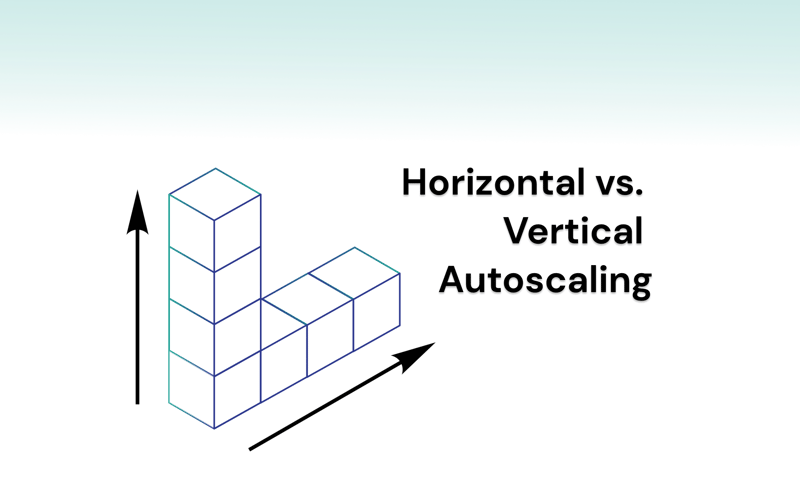
Horizontal vs Vertical scaling
Learn about the pros and cons of horizontal and vertical scaling to optimize your system's performance.

Kubernetes 1.37 Release: New Features, Beta & Stable Changes
How to Talk to Your Kubernetes Cluster Using AI (Yes, Really)
Explore how AI tools like K8sGPT, Botkube, and KoPylot simplify Kubernetes management through automation, diagnostics, and natural language interfaces.
Kubernetes Scheduling: How It Works and Key Influencing Factors
Discover how Kubernetes scheduling works, assigning pods to nodes while ensuring balanced, resilient workloads. Learn key factors ischeduling decisions.
Guide to KEDA (Kubernetes Event-Driven Autoscaler) with an example
Find out what is KEDA (Kubernetes Event-Driven Autoscaler), and take a look at an example of using KEDA for Cron-based scaling.