

Latest
More Posts
246 published posts
Kubecost Helm Chart: 2.x vs 3.x, Installation, and 6 Best Practices
How to install Kubecost with Helm: the cost-analyzer and kubecost charts, 2.x vs 3.x, a step-by-step install, Helm vs manifests, and six best practices.
Cluster Autoscaler Helm Chart: How to Install and Configure It
How to install and configure the Cluster Autoscaler Helm chart: how it decides to add and remove nodes, which chart to use, key values, tuning, and troubleshooting.
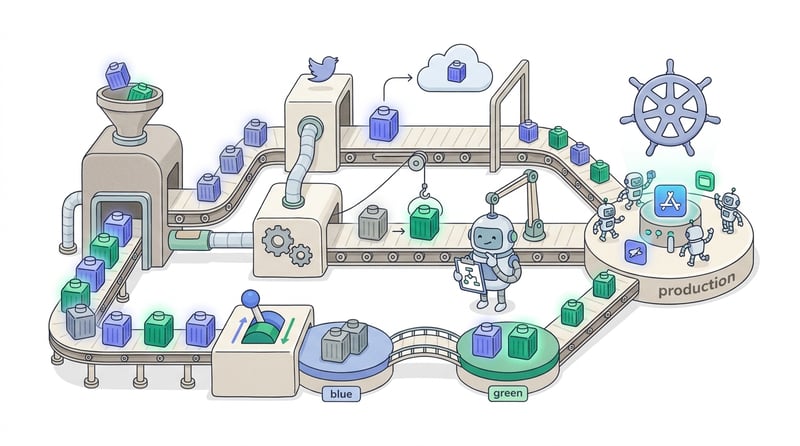
Kubernetes Deployment Strategy: Types and How to Choose
How Kubernetes deployment strategies work: the two built-in types, patterns that need a mesh or controller, their capacity costs, and how to match one to your workload.
Karpenter AWS: The Complete Guide to EKS Node Autoscaling
A complete guide to Karpenter on AWS: how it works with EKS, how it compares to Cluster Autoscaler, a step-by-step tutorial, and best practices.

Kubernetes DaemonSet: Tutorial, Use Cases, and Best Practices
How a Kubernetes DaemonSet runs a pod on every eligible node: a worked tutorial, common use cases, how it differs from a Deployment, and best practices for resource settings and updates.

Your JVM Service Needs 2 CPUs for 30 Seconds and 0.3 CPUs Forever
A JVM needs the most CPU in its first seconds. Learn how Kubernetes CPU limits throttle JVM startup, how to measure it, and how to size your pods.

Kubectl Cheat Sheet: Working with Clusters, Pods, Deployments & More
A ready-to-use kubectl cheat sheet covering contexts, pods, deployments, services, RBAC, logs, and debugging, plus aliases and autocompletion tips for faster Kubernetes work.

Kubernetes NodeSelector: Syntax, Examples, and 5 Best Practices
A practical guide to Kubernetes nodeSelector: how the scheduler matches node labels, YAML syntax, real examples, comparisons with node affinity and nodeName, plus five best practices.
EKS Cluster Autoscaler: How It Works, Setup & Best Practices
A practical guide to the Amazon EKS Cluster Autoscaler: how it scales nodes, step-by-step setup, comparisons with HPA and EKS Auto Mode, and seven best practices.

Kubernetes CPU Throttling & OOM Kills: Find Startup Spikes
Startup spikes cause throttling, exit code 137 OOM kills, and stalled rollouts, then vanish from dashboards. Here's how to detect them by filtering metrics by container age.
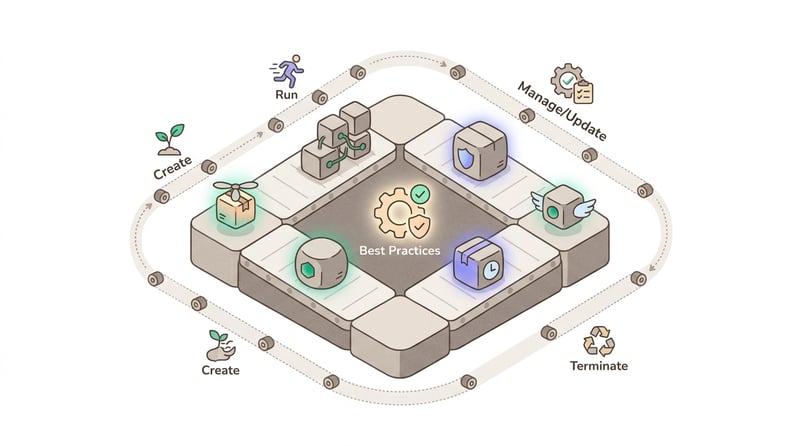
Kubernetes Workloads: 6 Types, Lifecycle, and Best Practices
Learn the six core Kubernetes workload types, how workloads move through scheduling, scaling, and termination, and best practices for right-sizing and reliability.