
Latest
All Posts
232 published posts
Kubernetes Node Not Ready: Troubleshoot Common Causes & Best Practices
Learn what is Kubernetes Node NotReady, the causes of the status, troubleshooting, and methods to prevent the Node Not Ready status.

How Much AWS Savings Plans Commitment Is Right? The Sizing Problem, and How to Stop Guessing
The 'right' Savings Plans commitment isn't a number you find once—it's a moving target. Here's why sizing it is so hard, and how to stop guessing.
Understanding Kubernetes Secrets: A Comprehensive Guide
Learn everything about Kubernetes Secrets: types, how to create and manage them, best practices, and secure alternatives. A complete guide!
Kubernetes Cost Optimization Tools: Top 8 in 2026
Top Kubernetes cost optimization tools include PerfectScale, Cast AI, and ScaleOps, which are useful for detailed, granular cost allocation and monitoring.

Your Kubernetes node pool strategy was stale before you saved the file
Your Kubernetes node pool strategy goes stale the moment you save the file. Here's why manual planning fails and what continuous optimization looks like.
Kubernetes Monitoring: Metrics, Technologies, and Tips for Success
Kubernetes (K8s) monitoring is the essential process of collecting metrics, logs, and events from clusters, nodes, and pods to ensure stability, performance, and resource optimization. It involves tracking CPU/memory usage, pod uptime, and application health, crucial for managing the dynamic and ephemeral nature of containerized environments.

Karpenter Optimization Recommendations in PerfectScale
PerfectScale analyzes your Karpenter NodePool configurations against real workload behavior, surfacing recommendations that reduce waste and improve node provisioning and scaling.

Fine-Grained Pod-Scaling in Kubernetes: Beyond HPA and VPA
Standard HPA and VPA fall short for complex workloads. Discover how multi-layered telemetry and in-place pod resizing enable precise, workload-aware Kubernetes autoscaling.

Kubernetes Logs: Types, Commands & 6 Best Practices
In Kubernetes, logs provide the primary means of observing application behavior and troubleshooting cluster issues. Because pods are ephemeral, Kubernetes manages logs by capturing stdout and stderr streams from containers and storing them as temporary files on the node.
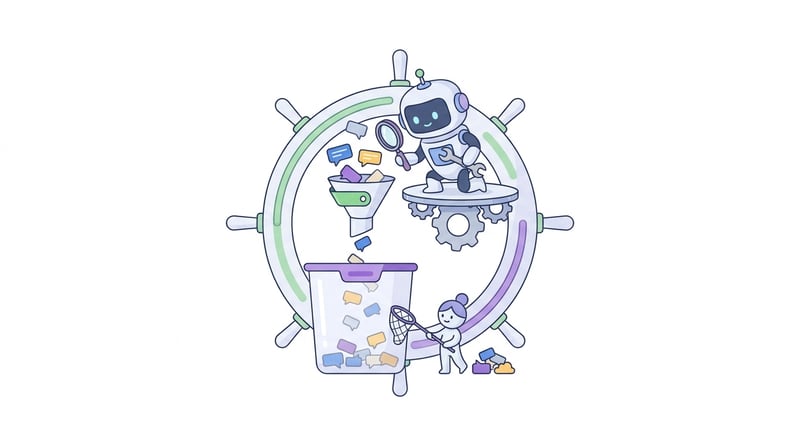
Kubernetes Events: How to View, Filter & Troubleshoot Them
Kubernetes Events are real-time, short-lived API resources generated whenever a state change, error, or meaningful activity occurs within your cluster. They are useful for debugging issues and auditing cluster health.
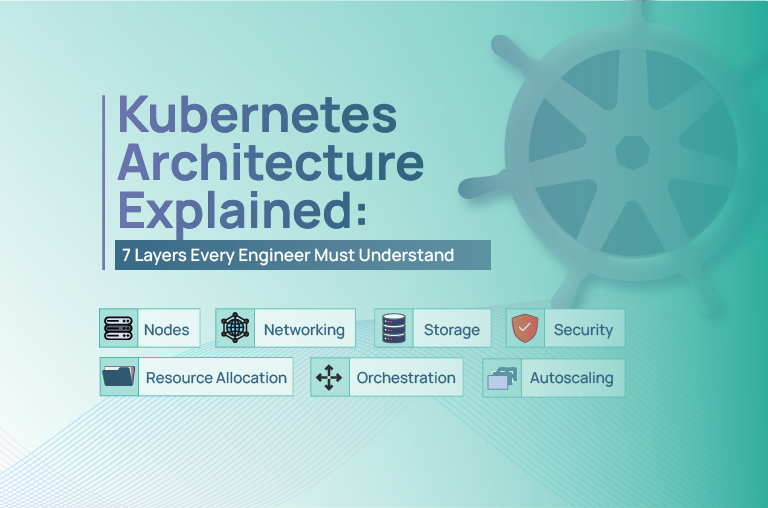
Kubernetes Architecture: 7 Layers Every Engineer Must Know
A layer-by-layer mental model of Kubernetes, from nodes and networking to orchestration and autoscaling, so you can debug cluster issues at the root instead of chasing symptoms.
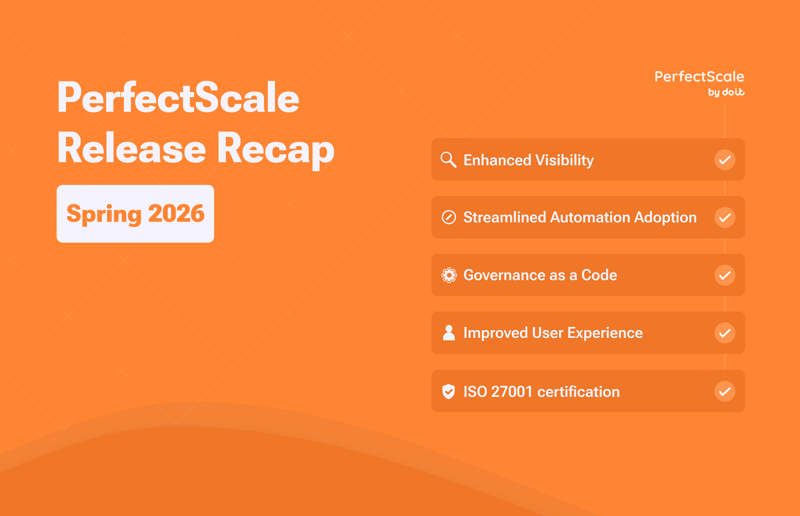
PerfectScale by DoiT: Spring 2025 Releases Recap
Customized optimization policy, enhanced automation flexibility, Windows containers support, advanced workload insights, and more are available at PerfectScale.