

Latest
More Posts
232 published posts
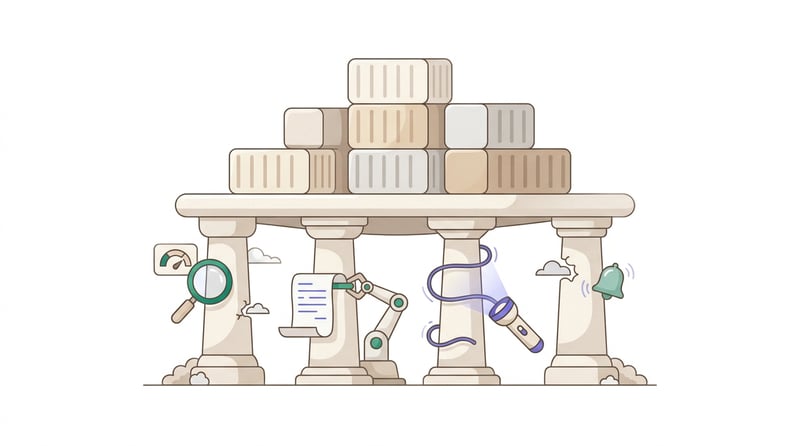
4 Pillars of Kubernetes Observability, Challenges, and Best Practices
Learn the four pillars of Kubernetes observability—metrics, logs, traces, and profiles—plus key metrics to monitor, common challenges, and best practices for reliable clusters.
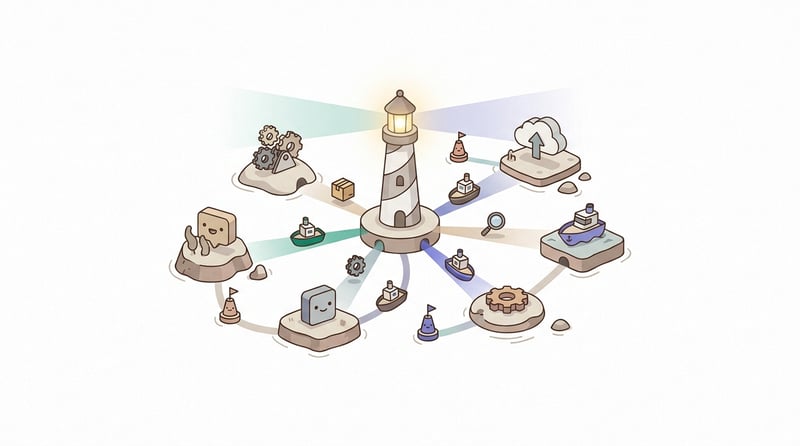
Kubernetes Service Discovery: How It Works & 5 Best Practices
A practical guide to Kubernetes service discovery: Service objects, EndpointSlices, CoreDNS, kube-proxy, DNS vs environment variables, Service types, and five best practices.

Commitments Are a Moving Target. Native Recommenders Miss It, So We Built Our Own.
AWS and Google Cloud both recommend how much to commit, and they get the number right. So do we, within 1%. The difference is everything around that number: how often you can ask, what you can scope o
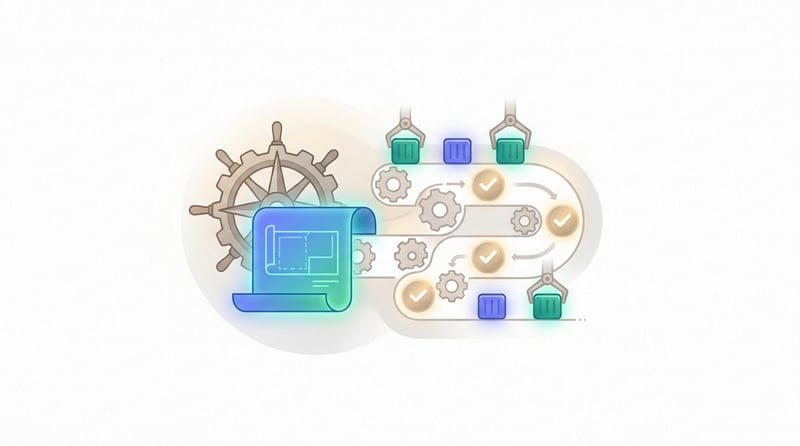
Cluster Autoscaler Helm Chart: Quick Start and 5 Best Practices
A step-by-step guide to deploying the Kubernetes Cluster Autoscaler with Helm, including AWS auto-discovery setup, upgrade tips, and five best practices for efficient autoscaling.
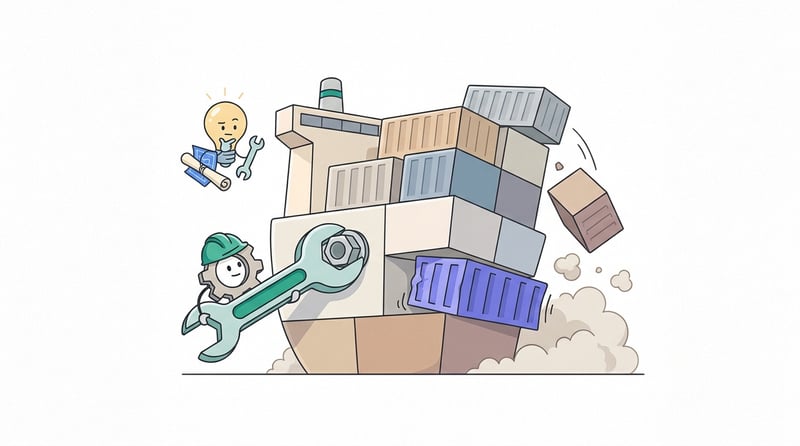
Kubernetes CPU Throttling: What Causes It and How to Fix It
Learn why containers get CPU throttled even when dashboards show low usage, how the Linux CFS scheduler enforces limits, and practical ways to detect and eliminate throttling.

kubectl debug: A Complete Guide to Troubleshooting Pods & Nodes
A complete guide to kubectl debug: attach ephemeral containers, copy crashing pods, and debug nodes, plus key flags, profiles, and best practices for safe troubleshooting.

Kubernetes Namespace Isolation: RBAC & Network Policy
A namespace draws a name boundary, not a security one. This guide shows how RBAC, NetworkPolicy, and ResourceQuota turn namespaces into real isolation, with working YAML.
Karpenter on GCP: Current Support and How to Get Started
There is no official Karpenter provider for GCP yet. This guide covers the community provider, how it compares with GKE native autoscaling, setup steps, and current limitations.
Kubernetes DaemonSet: How They Work and How to Use Them
A complete guide to Kubernetes DaemonSets: how the controller and scheduler place pods per node, manifest anatomy, rolling updates, node targeting, cost impact, and common failure fixes.
Karpenter on Azure: How to Use Node Auto Provisioning in AKS
A practical guide to Karpenter on AKS via Node Auto Provisioning: how it provisions right-sized VMs, NAP vs self-hosted, enabling it, and tuning NodePools for cost and resilience.
Kubernetes Multi-Tenancy: Models, Isolation Layers, and Best Practices
Kubernetes isn't multi-tenant by default. Learn the soft, hard, and physical isolation models, the four layers that hold them together, and why drift causes most failures.